

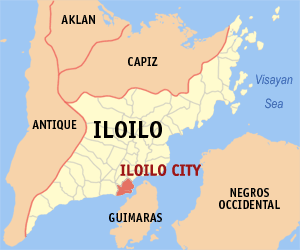
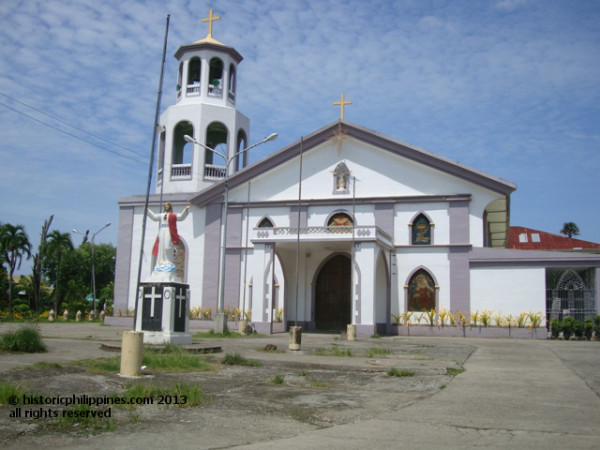
Villa was founded in 1581 by Gobernador Ronquillo De Peñalosa as ” La Villa Rica De Arevalo”, named after his hometown of Arévalo in Spain. It is one of the first places in the Philippine archipelago to be named in Spanish. It became the capital of the settlement in the province in 1582. It was invaded by the British in 1588 and followed by subsequent raids of Moros pirates in 1600 and the Dutch in 1609, 1614 and 1616. The on-going raids forced the capital to be relocated nearer the mouth of the Iloilo River, which is where Iloilo City ‘proper’ is now located. The Villa de Arevalo was incorporated into Iloilo City in July of 1937.
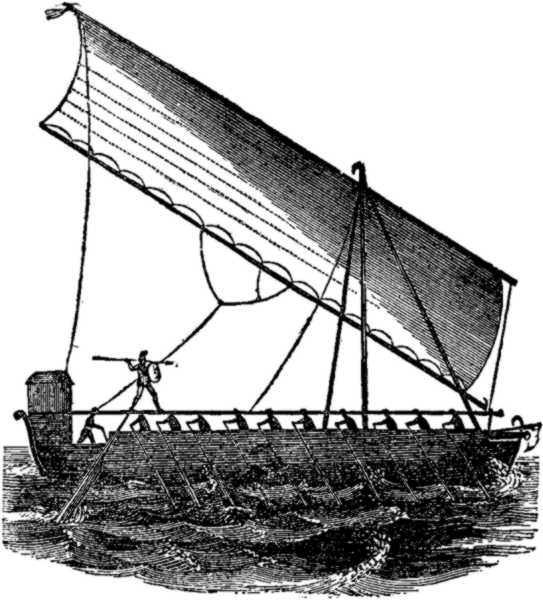
A Moro Proa (Pirate Ship)
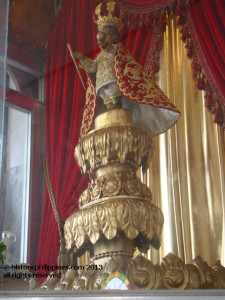
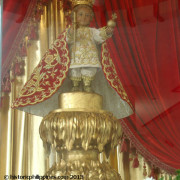
The church is home for a statue of Sto Nino de Arevalo which was apparently brought to the church by the Augustinian Friars when the settlement was originally established in 1581. The Friars believed that the statue was helpful to them in spreading the message of Christianity among the native population.
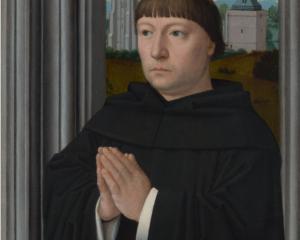
Their belief was reinforced when Spanish ‘settlers’ discovered the original Sto Niño statue which was believed to have been lost almost 50 years previously.
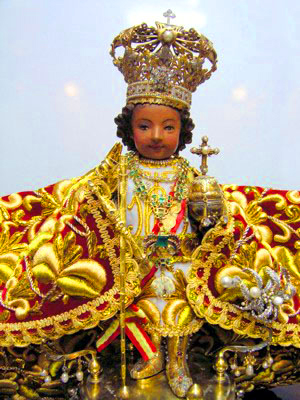
The story goes like this: “On the 27th of April, 1565, Legaspi’s fleet reached Cebu. Here, in this beautiful strait and fine anchoring-ground where Magellan’s ships had anchored until the death his (Magellan’s) forty-four years before. A splendid native settlement lined the shore, so Friar Chirino tells us, for a distance of more than a league.
The natives of Cebu were fearful and greatly agitated, and seemed determined to resist the landing of the Spaniards under Legaspi. At the first discharge of the ships’ guns the natives abandoned the shoreline, set fire to their village and retreated into the jungle and nearby hills. The Spaniards’ landed with loss of life and occupied the harbour and town.
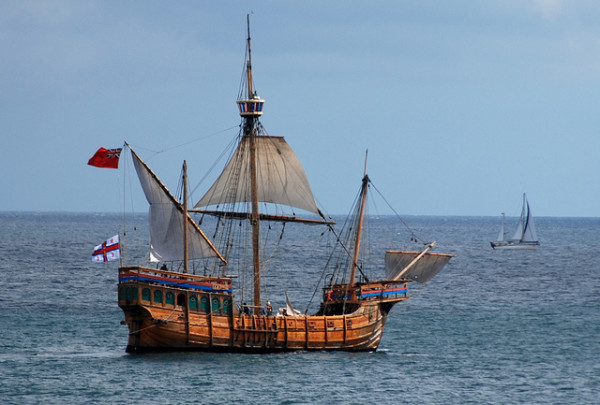
Spanish Galleon
In one of the abandoned houses, soldiers found a small wooden image (statuette) of the Child Jesus. A similar image to the one, Pigafetta* tells us, which Ferdinand Magellan had given to Humamay (Juana), the local chieftain, as a baptismal gift 50 years previously.
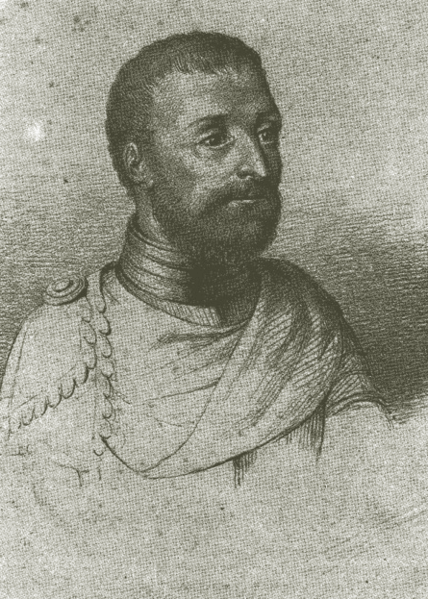
Antonio Pigafetta*
see more information below
It had been preserved by the natives and was regarded as an object of veneration. To the pious Spaniards the discovery of this sacred object was hailed as an event of great good fortune. It was taken by the Friars, and carried to a shrine especially erected for it. It still rests in the church of the Augustinians, an object of great devotion.”
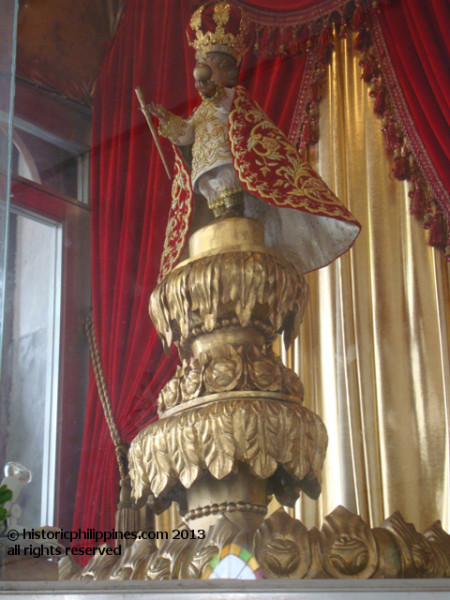
Santo Niño de Arevalo
In honour of the statue the first Spanish settlement in the Philippines was named “City of the Most Holy Name of Jesus.” It’s here that Legaspi established his headquarters and gradually won the confidence and friendship of the inhabitants. A formal peace agreement was concluded in which the Datu Tupas, accepted and recognized the sovereignty of Spain and the people of Cebu and the Spanish settlers agreed to assist each other against their common enemies.”
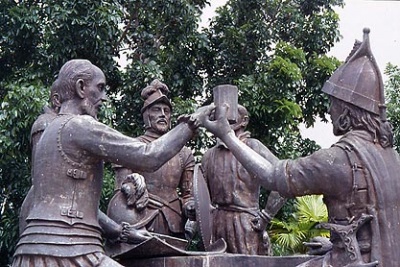
The Sandugo, the Blood Pact
between Legaspi and Datu Tupas
This statue of Sto Niño, which is reputed to be the third oldest in the Philippines, is believed to be a miraculous statue. It is apparently well known in the community that the sick have recovered from cancer, serious injuries and childless couples being blessed with children, or saving the town from famine or lack of rain. There is even a claim that Sto Niño defended the town from a Moro raid. Apparently, the people, upon seeing a flotilla of Moro pirate proas coming, placed the statue on the beach and as the story goes, the pirates when they spotted ” the boy in the red cloak” decided to move on…
The survival of the statue, is in itself, considered miraculous. During World War II, American troops burned the municipal hall and the convent of the church to prevent the Japanese may use them as their garrisons. The residents saw the fire consuming the convent and were bewildered that the flames were suddenly and unexplicably extinguished saving the church itself.
The Lady CayCay earthquake of 1948 is also the apparent source of a miracle. The quake totally destroyed the church but local resident were amazed to find that through the devastation that the Sto Niño statue still stood intact on it’s pedestal on the side altar of the church.
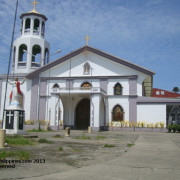
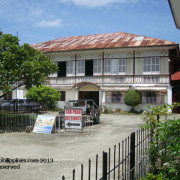
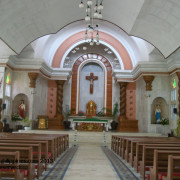
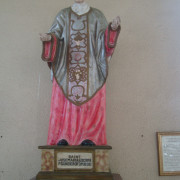
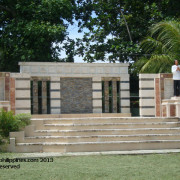
The Church itself is quite ordinary and we present this photo essay on it.
[left click on any photo to view it larger format]
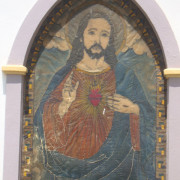
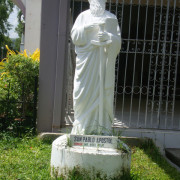
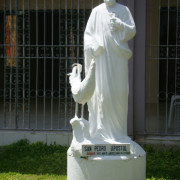
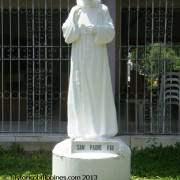
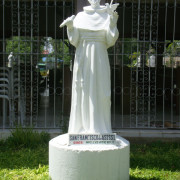
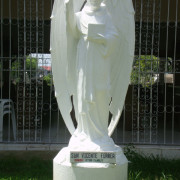
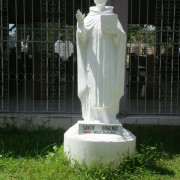
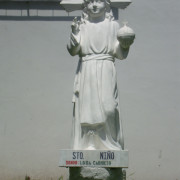
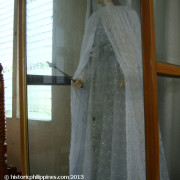
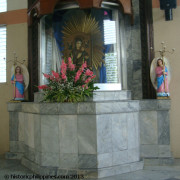
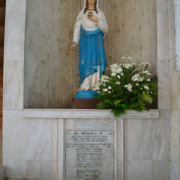
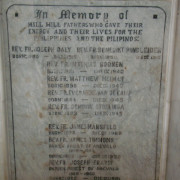
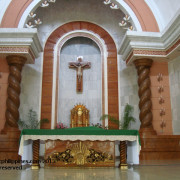
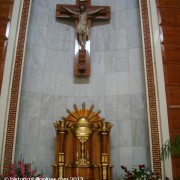
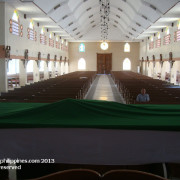
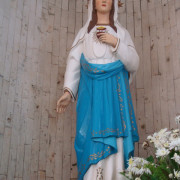
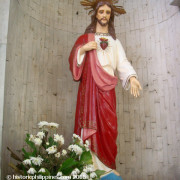
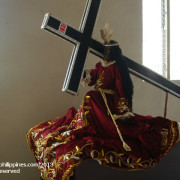
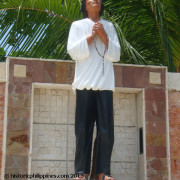
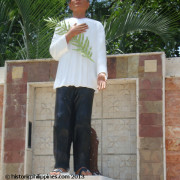
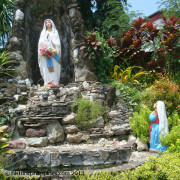
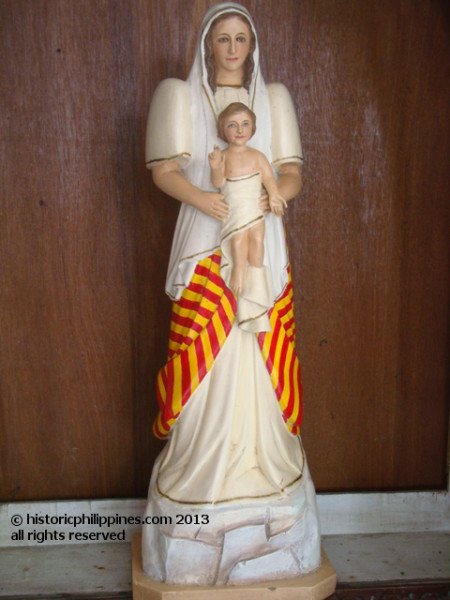
And as a bonus the Church has 3 different statues of the Virgin of the Barangay – and here they are:
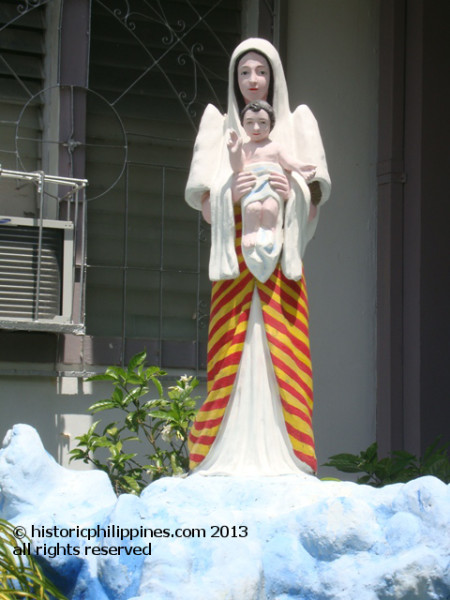
The Virgin of the Barangay
Sto Nino de Arevalo Church
* [Antonio Pigafetta (b. 1491 – d. 1531) was an Italian scholar and explorer from the Republic of Venice. He travelled with the Portuguese explorer Ferdinand Magellan and his crew by order of the King Charles I of Spain on their voyage to the Indies. During the expedition, he served as Magellan’s assistant and kept an accurate journal which later assisted him in translating the Cebuano language. Pigafetta was wounded on Mactan in the Philippines, where Magellan was killed in battle with the Datu Lapu-Lapu. Nevertheless, he recovered and was among the 18 who accompanied Juan Sebastián Elcano on board the Victoria, on the return voyage to Spain. Pigafetta’s journal is the source for much of what we know about Magellan and Elcano’s voyage.]

This work is licensed under a Creative Commons Attribution-ShareAlike 3.0 Unported License.