The first of two “Churches” of great historical significance in Macau.
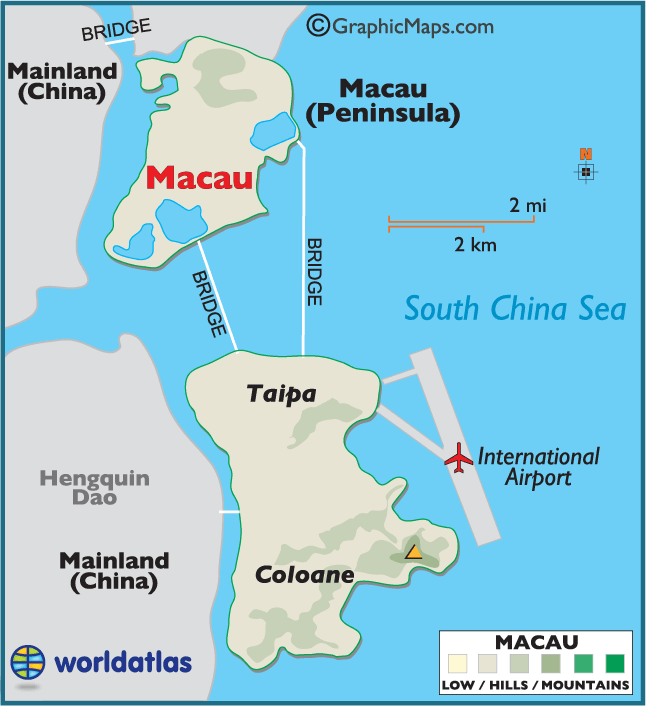
The driving distance from our jumping off point at the SM City parking lot in Iloilo to Hong Kong is approximately 1,570 kilometres. Which translates into a driving time of about 36 to 38 hours. Or, 3 to 3.5 hours by air.
Heritage Rating:  for more information on ratings press here
To listen to: Mendelssohn’s Quartet for Strings No. 1, Op 44 in D click the arrow below
When we last left you, we have just arrived in an area of Macau which I mentioned reminded me a lot of Old Quebec City, particularly lower town, with its cobble stone narrow streets lines with myriads of small shops and even restaurants, a great deal of hustle and bustle, crowded and throbbing with activity…Here is a reminder. You can read that full Episode on the first part of our Macau Adventure by pressing on this link.
[left click on any photo to view it in larger format]
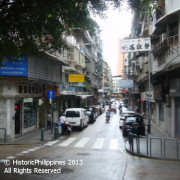
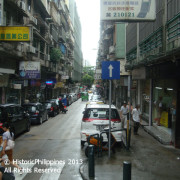
-
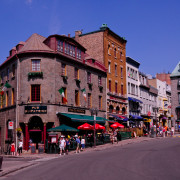
- Old Quebec
-
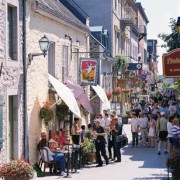
- Old Quebec
Part of this “quartier” of Macau is home of the Ruins of St Paul’s Church. The story of this particular church is one of the most interesting and compelling that I have ever read. This is the shortened ‘Fergus Version’ of the story.
My primary reference work for this section is:
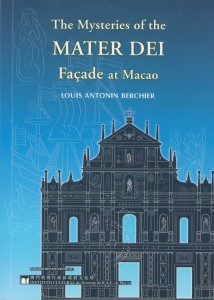
The Mysteries of the Mater Dei Façade at Macao, by Louis Antonin Berchier, Enigmas Productions, Macao 2012.
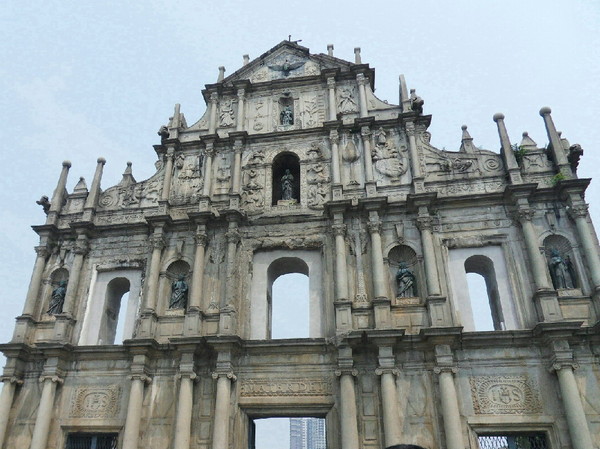
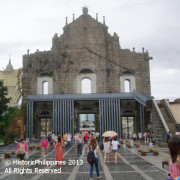
There are two ways of entering the precincts of the church. The ‘front way’ and the ‘back way’… when you enter from the front this is the view you get of the monument and you climb 66 steps from the Plaza below.
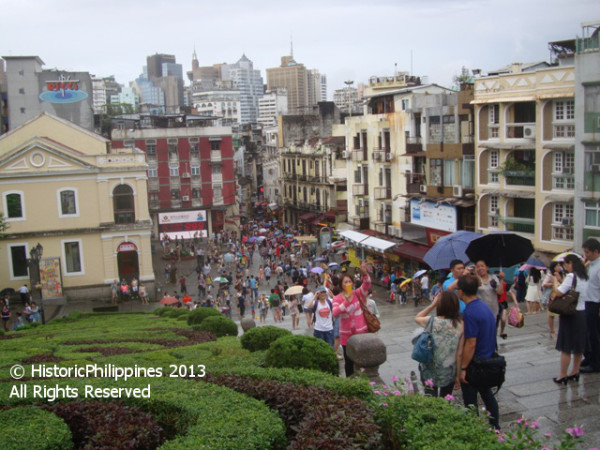
 This photo of Macau is courtesy of TripAdvisor
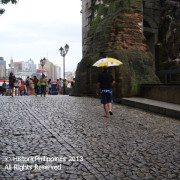
And if you enter the back way you walk up a slightly sloped cobble stone street alongside the ruins.
[left click on any photo to view it in larger format]
So what is the story behind this sight?
 This photo of Macau is courtesy of TripAdvisor
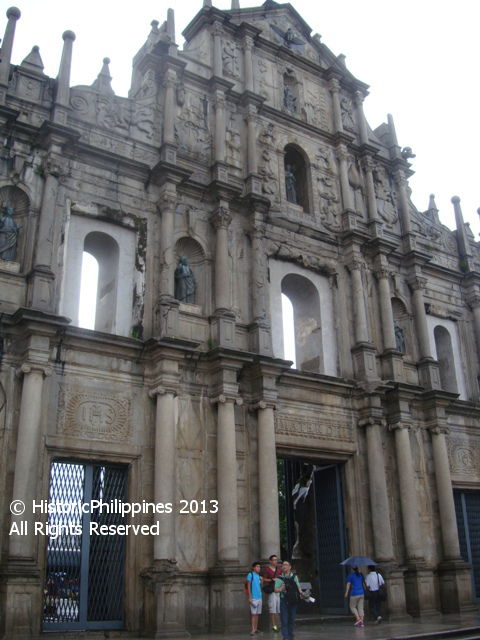 The name of the ‘façade’ is in fact “Façade of Our Lady Mother of God” or ‘Mater Dei’ – as it is inscribed on the lintel over the main door. It is also called: “Façade of Our Lady of the Immaculate Conception” to whom it is dedicated[1].
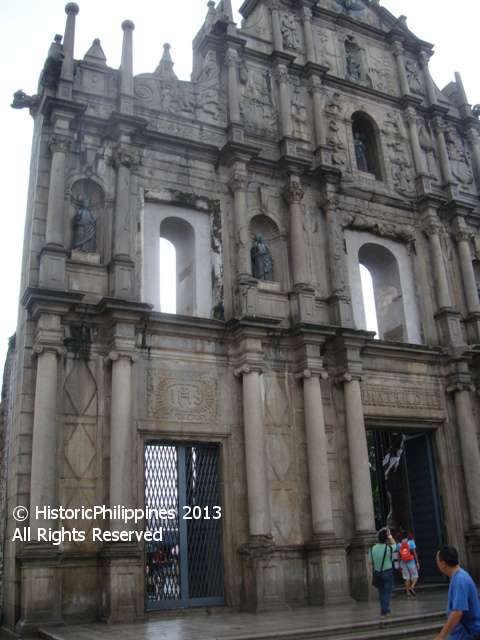
The Jesuit Missionaries built original church on the site in 1580. That original church, was a wooden structure and was destroyed by fire in 1595, it was rebuilt and suffered the same fate in 1601.
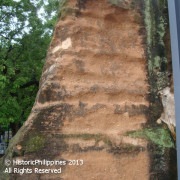
The new church, the remains of which we see today, had wooden columns in the central nave and a Chinese style tile roof. The sidewalls of St Paul were made of Chunambo or Taipa (see our previous posting on Tabique), a muddy earth mixture of straw, lime from oyster shells, and wood. The architect is believed to have been Carlo Spinola, SJ a Jesuit who was originally Genoa, Italy.
It was the largest Catholic churches in Asia at the time and was said to have been rivalled only by St Peter’s Basilica in Rome in terms of its beauty with royalty from throughout Europe competing with each other to bestow upon the cathedral their best gifts.
The façade we see today was part of the church that was reconstructed starting in 1602 and which was completed sometime in 1637. (Records are notorious few and far between because of the fires and typhoons that plagued the settlement in its early days).
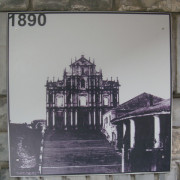
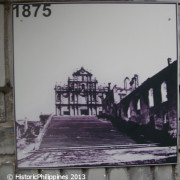
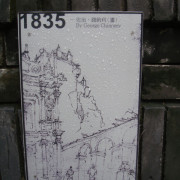
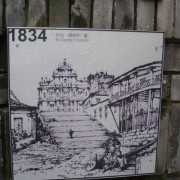
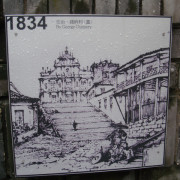
There was a particularly violent and destructive typhoon that hit Macau in 1838 and the church caught fire and for the third time was completely destroyed, except for the now famous façade and leaving only a pile of rubble behind. According to historical records, the Church, had been built with white granite, topped by a grand vaulted tile roof in the Chinese style and had three magnificently decorated halls.
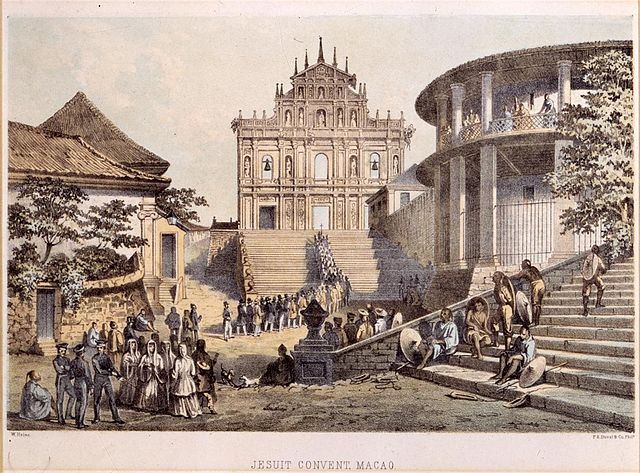
painting by William Heine, 1854
Its baroque facade is richly ornamented with classic oriental touches. The hundreds of artisans who carved the various sculptures making up the façade were said to have been Christian converts who escaped persecution for their faith in both Japan and China.
The structure is divided into five distinct levels or tiers.
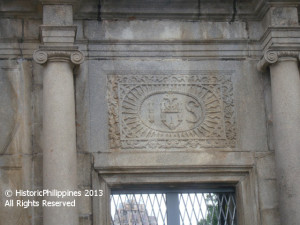
The first tier is comprised of ten Ionic columns with three entrances. The middle or main entrance has the words ‘MATER DEI’ carved into the lintel. The two entrances on each side are decorated with bas-reliefs which contain the ‘motto’ of the Jesuits ‘IHS” which stands for: “Iesus Hominum Salvator” or “Jesus Savior of Man”.
The second tier features ten Corinthian columns with three windows. A Catholic saint is enshrined in each of the four alcoves between columns. Between the columns on either side of the central window, there is the sculpture of a palm tree which according to Louis Antonin Berchier probably symbolise the ‘glorification of the Society of Jesus and its mission’.[4] In addition, on the lintel over the three windows are sculptures of seven roses over each window.[5] The saints depicted on this level of the façade are the first 4 Jesuit saints and from left to right they are:
- St Francis Borgia (1510-1572)
- St Ignatius Loyola (1491-1556)
- St Francis Xavier (1506-1552)
- St Louis of Gonzaga (1568-1591)
[left click on any photo to view it in larger format]
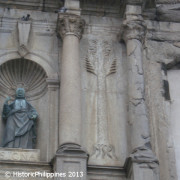
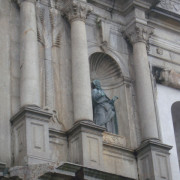
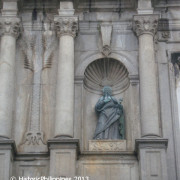
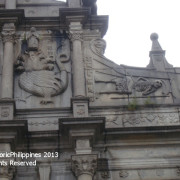
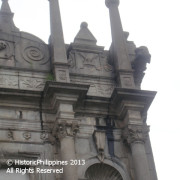
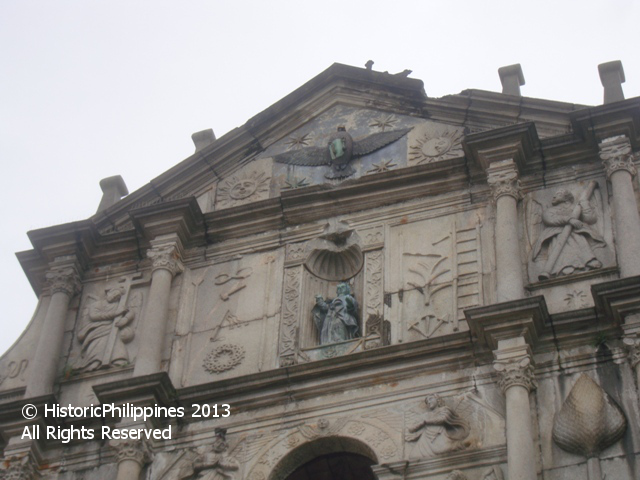
The two tiers as a whole are said to represent the Society of Jesus and the activities of missionaries.[2]
As a reminder of the different types of columns we offer this.:
There are generally three types of columns as can be appreciated from the photo below.
[left click on any photo to view it in larger format]
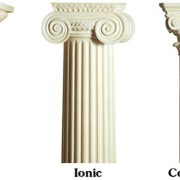
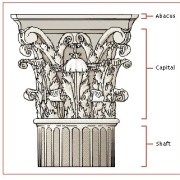
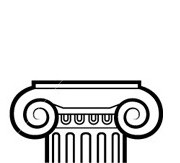
The primary differences are the actual shape of the columns with:
- Doric the shaft of the column is wider at the base than at the top and it has a plain capital.
- Ionic the shaft is the same size throughout and has a swirled capital.
- Corinthian the shaft as in the Ionic columns is roughly the same size throughout and has a very distinctly decorative capital.
The remaining three tiers are the most decorated.
On level 3 there are six Corinthian columns and four obelisks topped with spheres. The statue of Madonna stands in the middle of the third tier symbolizing that the Virgin Mary is at the heart of the mysteries which link man to God.[6], The statue of the Virgin is surrounded by six angels celebrating her glory: the bottom two incensing, the middle ones sounding a trumpet and the top two with their hands joined in an attitude of payer and reverence.[7] The balance of this level has additional 6 different sculptures, which are:
- The fountain of life and the tree of life which symbolize: ‘the eternal renewal of Life on Earth and in Heaven.
- A small virgin over a Nau (a Portuguese type of ship which symbolizes the journey which the soul of the believer must make to reach salvation.
- A winged monster with 6 heads which symbolizes all the evil forces of satan that are directed at man and the Church.
- The Devil lying on the ground which symbolizes the devil’s defeat with an arrow in his heart representing victory over temptation.
- A Skeleton lying on a scythe representing death, but death is also defeated, pierced by an arrow. There is also a Chinese inscription which translated reads: “remember death and do not remain in sin.”
- Finally, there are 2 large scrolls which represent the “glorious passage of the soul into the Divine world.”[8]
[left click on any photo to view it in larger format]
The fourth level is comprised of a statue of Jesus as a child and further depictions of the Holy Trinity.
And finally the fifth level depicts a large Dove in the centre alcove, representing the Holy Spirit. On each side of this sculpture are two columns with inscriptions on their base – the left hand one is inscribed: SP/ED/RO meaning St Peter, first Apostle and Pope; while the right hand one is inscribed: SP/AU/LO meaning St Paul, first great missionary to the gentiles.[9]
[left click on any photo to view it in larger format]
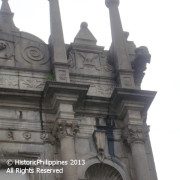
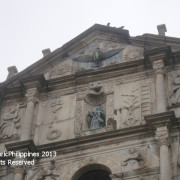
At the very top of the façade is a very large iron cross which is tilted towards the East. It signifies the passage from the earthly world to the divine world.[10]
 This photo of Macau is courtesy of TripAdvisor
It is worth mentioning that the stone lions at the sides of the third and fourth tiers are distinctively Chinese. There are also bas-reliefs in designs of chrysanthemum and cherry, as well as Chinese inscriptions. The surviving façade has long been acknowledged as a perfect fusion of western and eastern cultures.
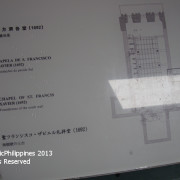
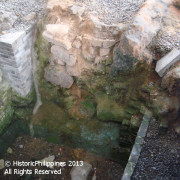
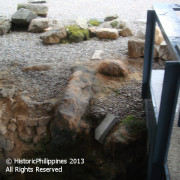
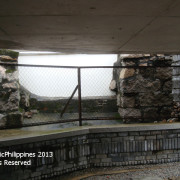
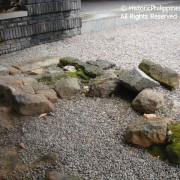
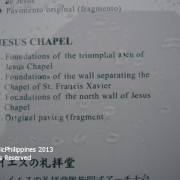
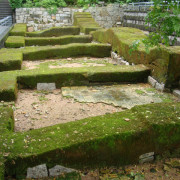
Excavation between 1990 to 1995 uncovered the foundations of the building. Findings also included numerous religious artefacts as well as relics of Japanese Christian martyrs and some monastic clergy. Relics of Father Alessandro Valignano, the founder of the Jesuit college in Macau were also discovered.
[left click on any photo to view it in larger format]
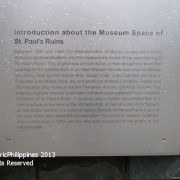
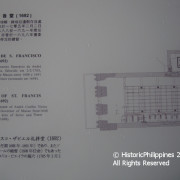
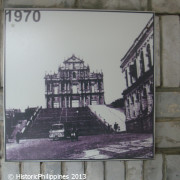
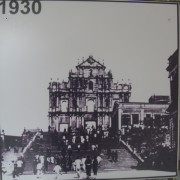
This site is jam packed with artefacts and history that it simply cannot do it ‘justice’ in a short posting on the website. That’s why, as a result of our recent visit and discoveries at Macau, we have plans to return to Macau sometime in the next year so that we can finish the job we started at Mater Dei and indeed to visit the other principal churches of the island. Included in this will be a complete review of the activities of the Jesuits in Macau and the regions surrounding it. The Jesuits were a major influence on the development of the entire region including Japan, Mainland China, Malaysia and even the Philippines.
 This photo of Macau is courtesy of TripAdvisor
There is one more “church” in our exploration of Macau and you can visit it in just a few more days…
footnotes:
- Louis Antonin Berchier, “The Mysteries of the Mater Dei Façade at Macau”, Enigmas, Macau, 2012, p 16
- ibid, p 33
- ibid, p 35
- ibid, p 34
- ibid, p 35
- ibid, p 38
- ibid, p 38
- ibid, p 40, 41
- ibid, p 45
- ibid, p 46

This work is licensed under a Creative Commons Attribution-ShareAlike 3.0 Unported License.